Category: Outdoor lounge
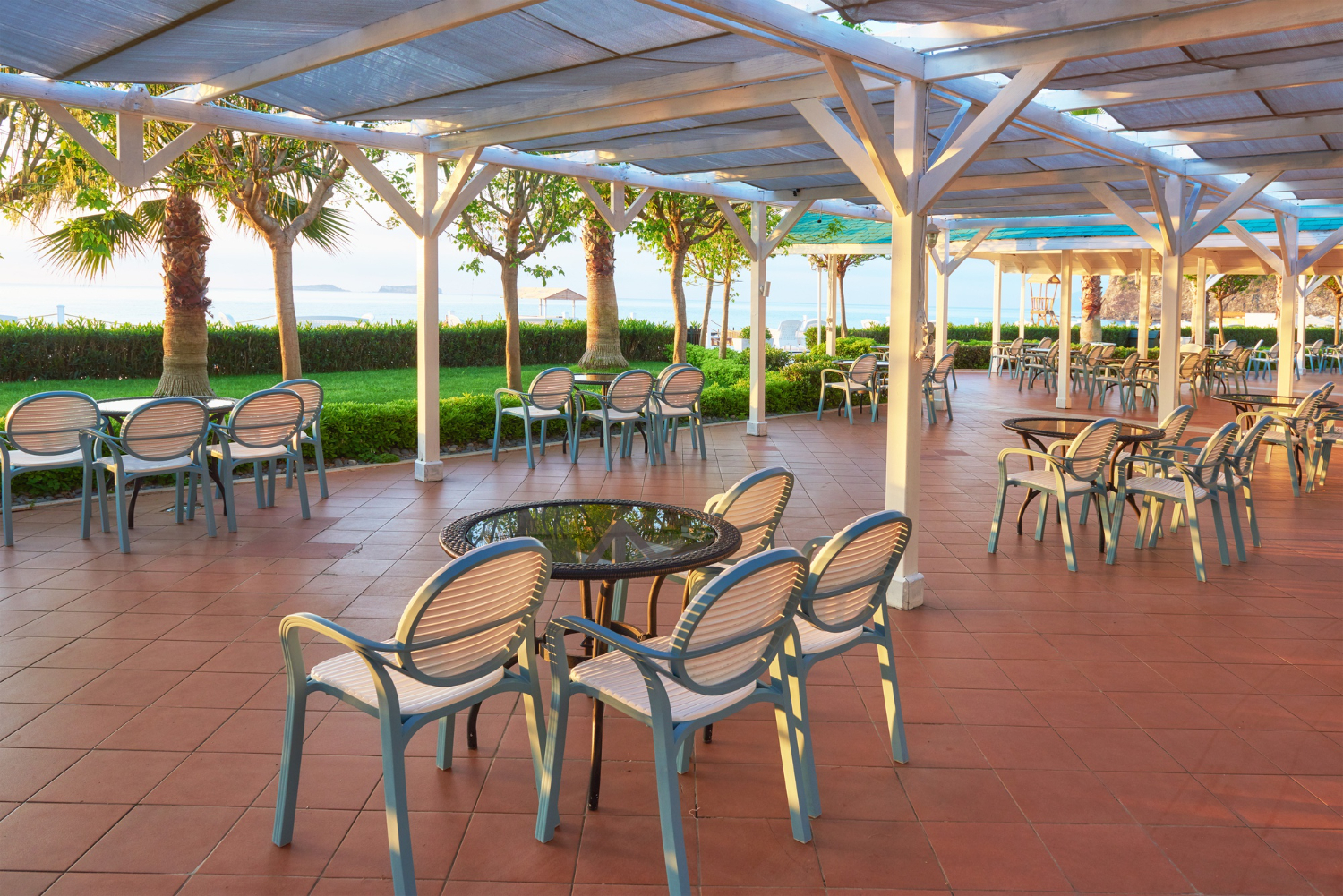
How Can Covered Outdoor Dining Areas Help Restaurants and Hotels Use More of Their Outdoor Space?
August 11, 2026Restaurants and hotels can get more value from patios, terraces, rooftops, and other open spaces by making them comfortable enough for guests to use regularly. Covered outdoor dining areas provide protection from strong sun, rain, and changing weather, making outdoor seating more practical throughout the year.
Features such as adjustable roofs, screens, heating, lighting and drainage can make the space more comfortable and easier to manage. A thoughtfully designed dining area can also fit naturally with the property’s existing style while giving guests another appealing place to eat, relax, and spend time.
What Are Covered Outdoor Dining Spaces?
Covered outdoor dining areas are outdoor seating spaces protected by a permanent, or semi-permanent roof structure, shielding guests from rain, sun, and light wind while keeping the space open to fresh air. Unlike a fully enclosed patio, the sides usually stay open or lightly screened.
This setup gives restaurants and hotels a middle ground between indoor seating, and a fully exposed patio. Guests get the feel of dining outside without the discomfort that usually cuts an outdoor meal short. That’s the whole point: keep the space usable more often than an open patio allows.
How can covered patio dining spaces allow guests to dine outside longer?
A roof over the dining space extends usable seating hours by protecting guests from the three things that empty a patio fastest: rain, direct midday sun, and evening chill. A patio that closes at the first sign of rain loses revenue every time weather turns, even for twenty minutes.
Shade alone changes guest behavior. Diners who’d normally skip an uncovered table in July will sit under a covered one without a second thought. Add overhead heaters for cooler months, and a dining area that used to work five or six months a year can realistically work closer to ten.
What should restaurants and hotels look for when choosing a cover design?
- Roof material rated for local weather- metal or polycarbonate for heavy sun and rain, reinforced fabric for milder climates.
- Height and pitch that allow proper airflow- a cover that’s too low traps heat and makes the space feel worse than no cover at all.
- Drainage built into the design- gutters or a sloped roofline keep water from pooling, or running onto tables during storms.
- Lighting placement- fixtures that work for both daytime dining and evening service without needing a separate retrofit later.
- Compatibility with existing decor- frame color and roofline that match the property’s current look, not a mismatched add-on.
Skipping any one of these usually shows up later as a complaint, whether it’s a leak during dinner service or a dim patio that guests avoid at night.
Do covered patio dining spaces require heating or cooling?
Most of these spaces benefit from at least overhead heating, since that single addition extends usable months more than almost any other upgrade. Cooling is less common but useful in hot, humid climates where guests won’t sit outside past late morning without airflow.
Ceiling fans or misting systems handle cooling for properties in warmer regions. Radiant heaters mounted to the cover structure handle the cold months. Neither is mandatory, but properties that skip both usually see outdoor seating sit empty outside of a narrow comfort window each year.
How much do these outdoor dining covers typically cost?
For a commercial property, this kind of build typically runs from $15,000 to $50,000, depending on size, materials, and whether the design includes heating, lighting, or partial enclosure walls. A basic open-air cover with a shade roof sits at the lower end of that range.
Fully finished covers with electrical work, premium roofing, and matching architectural details push toward the higher end. Site conditions matter too. A property with an uneven patio surface or drainage issues will pay more before construction even starts, since that groundwork has to happen first.
Are these outdoor dining structures worth the investment for restaurants and hotels?
Yes, for most properties that rely on outdoor seating, a covered space pays for itself by keeping tables filled on days that would otherwise sit empty. A restaurant losing outdoor seating to weather twice a week is losing real revenue every single one of those days.
At Shelter Outdoor, our approach starts with how many seats a property is actually losing to weather each month, then sizes the cover to recover that loss rather than overbuilding. The added seating capacity, combined with guests who now linger longer in a comfortable space, usually pays back the construction cost within a season or two.
Frequently asked questions
Does a covered dining structure need a permit?
In most cities, yes, especially for anything with a permanent foundation, electrical wiring, or gas heating elements. Requirements vary by location, so check local codes before finalizing a design.
Can an existing patio be converted into a covered dining space?
Usually yes, as long as the patio surface can support the new structure’s weight and anchor points. A contractor should confirm this before construction begins.
What roofing material works best for coastal properties?
Aluminum framing with UV-rated polycarbonate or metal roofing holds up best near saltwater, since it resists corrosion better than wood, or standard steel.
How long does it take to install a covered dining structure?
Installation itself usually takes one to two weeks once materials arrive, though design and permitting can add several more weeks before construction starts.
Do covered dining spaces reduce noise from outside seating?
Somewhat. A solid roof helps deflect some ambient noise though it won’t fully block it unless the structure includes side walls or acoustic paneling.
Can lighting be added after the initial cover is built?
Yes, but it costs less to plan for lighting during the original build. Retrofitting electrical wiring into a finished structure adds labor, that could have been avoided.
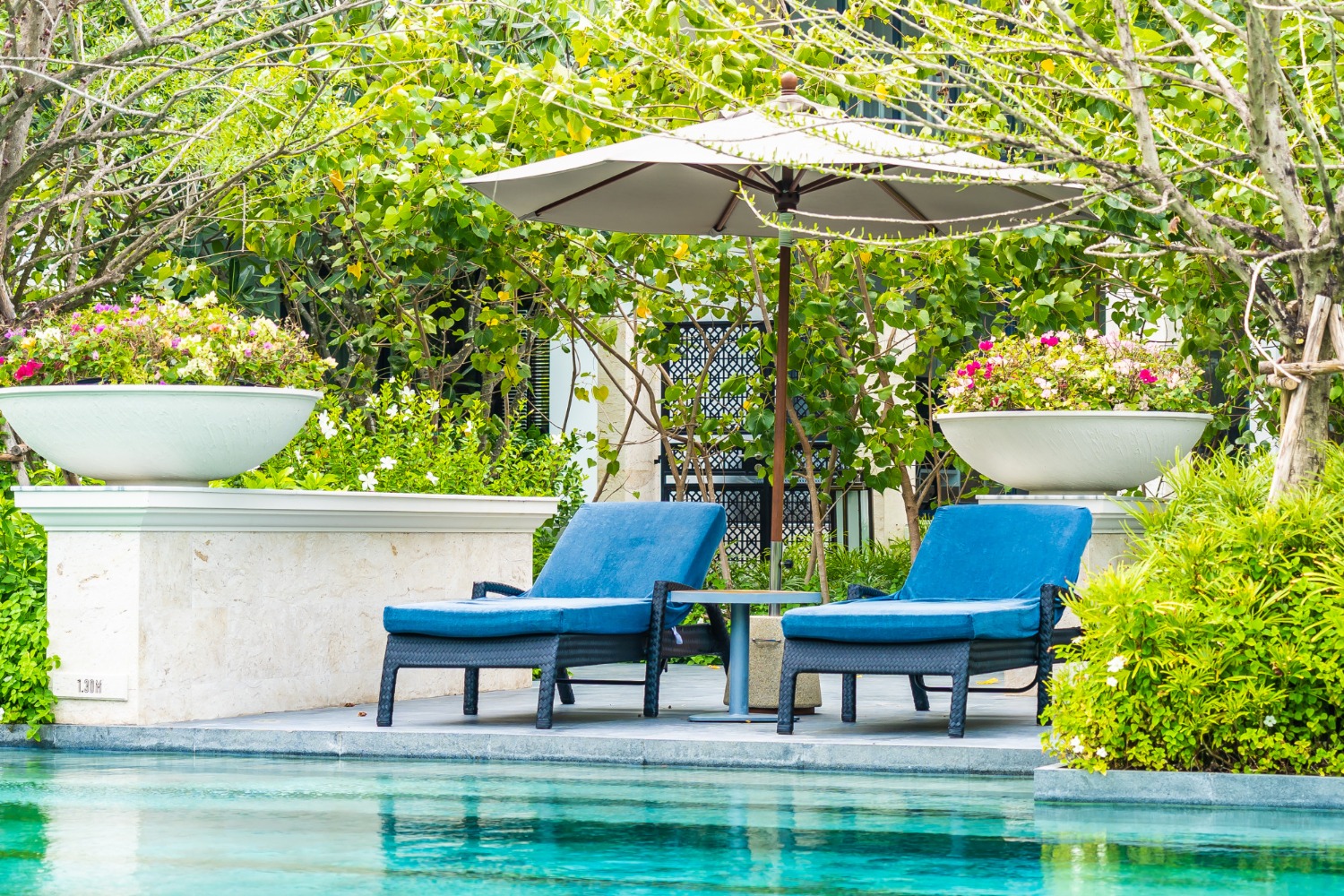
How to Create an Outdoor Hospitality Space That Performs Through Every Season
July 3, 2026Create an outdoor hospitality space by combining durable materials, adaptable shade systems, weather-resistant furnishings and comfort features for year-round usability.
A well-planned outdoor space stays usable through changing weather, while still feeling comfortable and welcoming to guests. Things like motorized pergolas, good drainage, lighting, heating, and commercial-grade materials all help businesses get more out of their outdoor seating, reduce maintenance, and keep the space running no matter the time of year.
Why is a weatherproof outdoor hospitality space important?
A weatherproof outdoor lounge lets hospitality businesses actually use their outdoor space all year, instead of only on good weather days. It shields guests from sun, rain, and shifting temperatures, and keeps them comfortable enough to stay longer.
Restaurants, hotels, resorts, and rooftop venues are leaning more and more on outdoor space to fit more guests and give them a better experience. A well-designed outdoor area also helps a business keep running smoothly, no matter what the season throws at it. Instead of treating outdoor space as an afterthought, it becomes a real part of the property.
What features make a weatherproof outdoor lounge perform in every season?
An outdoor lounge works well when it pairs solid construction with features that can adjust to the weather. Weather-resistant materials, proper shade structures, good drainage, lighting, heating and airflow all play a part in keeping it usable year-round.
Commercial-grade aluminum resists rust and needs far less maintenance than older materials. Adjustable louvered roofs, retractable screens, and built-in lighting let a business respond quickly when the weather changes. Comfortable seating, good finishes and a smart layout round out a space that stays welcoming no matter the season.
How do shade systems improve year-round outdoor hospitality?
Modern shade systems do a lot more than just block the sun. They help control temperature, keep guests dry during light rain and create a comfortable spot for outdoor dining and relaxing throughout the year.
Motorized pergolas, cantilever umbrellas, and custom shade structures let a business adjust coverage as the weather shifts. At Shelter Outdoor, we help clients pick options that look good and actually perform, so the space stays functional without losing the overall design they’re going for. A well-built outdoor lounge also means guests have a better time, with fewer interruptions from the weather.
What should businesses consider before designing an outdoor hospitality space?
A good outdoor hospitality space starts with understanding how guests will actually use it. Foot traffic, seating capacity, local climate, upkeep, and room to grow later should all shape the design.
Property owners should also look at sun exposure, wind, drainage and what utilities are available before picking shade structures or furniture. Planning these things early saves you from expensive changes down the road. A well-thought-out outdoor lounge space keeps daily operations running smoothly while staying flexible as the business grows.
Can outdoor hospitality spaces increase business value?
Yes. A well-designed outdoor space can make guests happier, keep the business running longer through the year and open up new ways to earn revenue. Businesses that offer comfortable outdoor seating usually draw more guests when the weather’s good, while staying usable even when it’s less predictable.
Good outdoor features also make a property look better, which helps attract customers, visitors, and even investors. Hospitality businesses that put money into their outdoor space often end up with more seating flexibility, a stronger brand and guests who keep coming back. A well-planned outdoor hospitality area supports smooth day-to-day operations while also accommodating long-term growth.
How can businesses reduce maintenance while improving durability?
Picking commercial-grade materials is one of the best ways to reduce maintenance. Powder-coated aluminum, weather-resistant fabric, rust-proof hardware and quality finishes hold up far better over time than cheaper alternatives.
Regular checks and a bit of preventive care also protect what you’ve invested. Cleaning out drainage, checking moving parts and servicing anything automated helps the equipment last longer and keep working properly. At Shelter Outdoor, we build outdoor spaces made to last, so our solutions hold up in busy commercial settings. A well-maintained outdoor seating area stays comfortable and ready to use, season after season.
Frequently Asked Questions
Can an outdoor lounge work in all seasons?
Yes. A well-designed outdoor seating area can remain usable year-round by combining weather-resistant materials with features such as shade systems, lighting, heating, and protective screens. How well it performs depends on the local climate and the features selected.
What materials are best for outdoor hospitality spaces?
Commercial-grade aluminum, stainless steel, weather-resistant fabric, and durable composite materials are common choices because they hold up against rust, fading, and moisture. These need less maintenance and hold up reliably in commercial settings over the long run.
How do motorized pergolas improve outdoor spaces?
Motorized pergolas let you adjust the roof louvers depending on the weather. They give you shade on sunny days, keep light rain out and let in more air when you need it, making outdoor spaces work better all year round.
Is an outdoor lounge worth the investment?
Yes. A well-designed outdoor seating area can increase seating capacity, improve guest comfort, and help a business operate smoothly throughout the year. These benefits can support better customer satisfaction while helping businesses make better use of their available outdoor space.
Can outdoor hospitality spaces be customized for different businesses?
Yes. Outdoor spaces can be built for restaurants, hotels, resorts, rooftop lounges, office campuses and mixed-use properties. The layout, shade systems, finishes, and other features can all be customized to fit how the business runs and what its brand is about.
Conclusion
Building an outdoor hospitality space that holds up all year takes more than nice furniture or temporary shade. Long-term success comes from tough materials, shade that adapts, and planning that keeps guests comfortable no matter what the weather does.
Investing in a weatherproof outdoor lounge lets hospitality businesses make the most of their outdoor space, run more flexibly, and give guests a consistently good experience all year round.
- 1
- 1-2 of 2 results