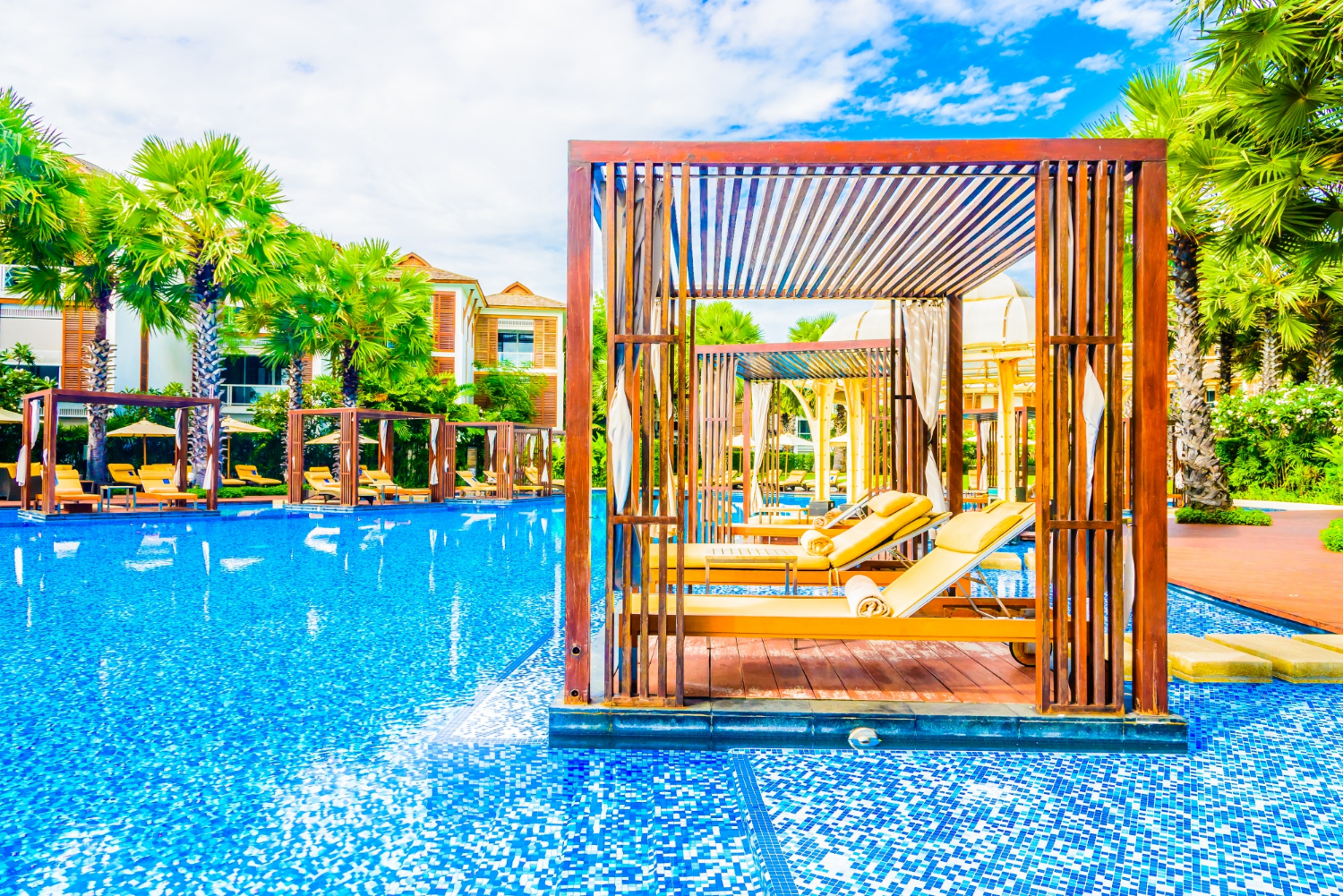
What Should You Look for When Choosing Custom Pool Cabanas for a Commercial Property?
August 29, 2026When choosing custom pool cabanas for a commercial property, start with how guests will actually use the space. Look at the cabana’s size, materials, weather resistance, anchoring, privacy, and maintenance needs. Hotels, resorts, clubs, and other hospitality properties may also benefit from features such as lighting, heating, screens and comfortable seating.
The design should fit the available space and work well with the surrounding architecture. It’s also worth considering local building requirements and long-term durability, since commercial cabanas typically see regular use, and exposure to changing weather conditions.
What makes custom pool cabanas different from standard ones?
They are built to a property’s exact dimensions, usage load, and design requirements, while standard cabanas come in fixed sizes meant for average residential use. A hotel pool deck sees hundreds of guests a week; a backyard sees a handful of people a month. That difference in wear alone changes what the structure needs to survive.
Standard units are often assembled from stock parts that fit a general footprint. Pool houses, by contrast, are designed around the actual pool deck, sun exposure, and traffic flow of the property. That means the roof pitch, post spacing, and even door width can be adjusted so the cabana works with the space instead of just sitting in it.
What should you look for in the frame material?
The frame material should match your climate, not just your budget. Aluminum resists rust and holds up well in coastal or humid areas, while treated wood offers a warmer look but needs more upkeep in wet conditions.
Steel frames are the sturdiest option for high-wind regions, though they cost more upfront. For most commercial properties, aluminum strikes a fair balance between durability and price. It won’t warp, it won’t rust, and it barely needs sealing or repainting over its lifespan. If your property sits near saltwater, this becomes less of a preference and more of a requirement.
Do customized pool cabanas need to meet fire and building codes?
Yes, commercial-grade pool cabanas must meet local fire, building and accessibility codes before they can be installed. These aren’t optional add-ons. Fire-rated fabric or roofing, proper spacing between structures and clear emergency access paths are usually required by code.
Codes vary by city and county therefore, a cabana design approved in one jurisdiction might need changes in another. This is where working with a builder who already understands local permitting saves real time. At Shelter Outdoor, we check zoning and fire code requirements before finalizing a design, so approval doesn’t become a bottleneck after construction has already started.
How much do custom pool cabanas cost for commercial use?
Commercial pool cabanas typically run between $8,000 and $30,000 per unit, depending on size, materials, and features like fans, lighting, or retractable curtains. A basic open-air cabana with a shade roof sits at the lower end. Fully enclosed units with electrical wiring, privacy curtains, and premium finishes push toward the higher end.
Site prep can add to that number. Uneven pool decks, drainage issues, or the need for a concrete pad will increase the total cost. Get a site walkthrough before locking in a budget number, since quotes based on square footage alone tend to run low.
How long does installation take?
Installation of custom pool cabanas usually takes one to three days per unit once materials arrive on site. The design and approval phase before that is what actually takes time, often six to twelve weeks total when you factor in permitting, material lead times, and site prep.
Multi-unit projects, like a resort ordering ten or more cabanas, will naturally take longer to install than a single unit at a boutique hotel. Weather delays are also common for outdoor installs, so builders usually pad the timeline by a week or two.
Are customized pool cabanas worth it for a commercial property?
For most commercial properties, yes. Pool houses increase guest satisfaction scores, support premium pricing for cabana rentals and extend the usable hours of a pool deck by offering shade and shelter. Properties that rent cabanas by the day or hour often recover the construction cost within one to two peak seasons.
The return isn’t purely financial either. A well-designed cabana area photographs well, which matters for marketing and online reviews. Guests remember comfortable, shaded seating more than they remember the pool itself.
What accessibility features should commercial cabanas include?
Commercial Pool houses should include wheelchair-accessible pathways, doorways at least 32 inches wide and non-slip flooring to meet ADA requirements. These aren’t just legal boxes to check. Properties that skip accessibility planning often end up retrofitting cabanas later, which costs more than building it right the first time.
Ramp access from the pool deck, lower seating options, and clear signage also help. Some properties add these features only to the first row of cabanas closest to the entrance, which works fine as long as the accessible units aren’t the least desirable spots on the deck.
Frequently asked questions
Can pool cabanas be installed on an existing pool deck?
Yes, most of them can be retrofitted onto existing decks. The main limitation is structural support. A contractor needs to confirm the deck can hold the cabana’s weight and anchor points before installation begins.
Do custom pool cabanas require electrical wiring?
Not always. Basic shade cabanas need no wiring at all. Units with fans, lighting, or outlets need a licensed electrician and permitting, which adds cost and time to the project.
What’s the lifespan of a commercial pool cabana?
Well-built pool houses last 15 to 25 years with proper maintenance. Aluminum and steel frames outlast wood in most climates, especially near saltwater or high humidity.
Can cabana designs match existing property branding?
Yes. Colors, roofline shapes, and finishes can be customized to match a hotel or resort’s existing architecture. Most builders offer swatches and material samples before production starts.
What seasonal maintenance do pool cabanas need?
Yes, at minimum an annual inspection. Fabric roofing should be checked for wear, hardware should be tightened, and drainage around the base should be cleared before peak season each year.
Is it cheaper to buy cabanas in bulk for a large property?
Usually. Ordering multiple custom pool cabanas at once often reduces per-unit material and labor costs by 10 to 20 percent compared to ordering them one at a time.